

 Zeetech
 11/05/2026
CCTV Installation Services in Dubai: What to Expect
Many people reach the decision to install cameras and then hit a wall. They do not know what happens next. Who do they call? What does the process look like? How long does it take? Will it be disruptive?
If that sounds familiar, this blog is for you.
CCTV installation in Dubai is easier than expected, but only with the right team and clear expectations. This guide takes you through the entire process, so there are no surprises.
Why More Homes and Businesses in Dubai Are installing CCTV?
Dubai is one of the safest cities in the world. But safety does not happen by accident. It takes effort, systems, and the right tools.
More homeowners are installing cameras because they travel frequently and want to keep an eye on their property remotely. More businesses are installing CCTV because they need to protect their staff, equipment, and assets every single day.
The technology has also improved dramatically. Modern CCTV systems give you sharp, clear footage even at night. You can check your cameras from your phone whether you are in the next room or in another country. Storage is cheaper. Setup is faster. And remote access is easier than ever.
The result is that CCTV installation in Dubai has moved from something only large companies did to something that makes sense for almost any home or business.
What Happens During a Professional CCTV Installation in Dubai
Here is the honest, step-by-step picture of what a proper installation looks like.
The First Call
You reach out to a CCTV company and tell them what you need. A good company will ask questions before giving you any recommendations. Where is the property? How many entry points does it have? What are your main concerns? Have you had any incidents before?
This conversation shapes everything that follows. If a company jumps straight to giving you a quote without asking these questions, that is a red flag.
The Site Survey
Before you order or install any cameras, a technician visits your property. They walk through the space, assess your layout, check your lighting conditions, identify blind spots, and map out where cameras should go for the best coverage.
This step is not optional. It is the foundation of a system that actually works.
The Plan
After the survey, you receive a clear plan. This includes how many cameras you need, what type of cameras suit each area, how cabling will be routed, what storage system will be used, and what the total cost looks like.
You should understand every line of this plan before you agree to anything.
The Installation Day
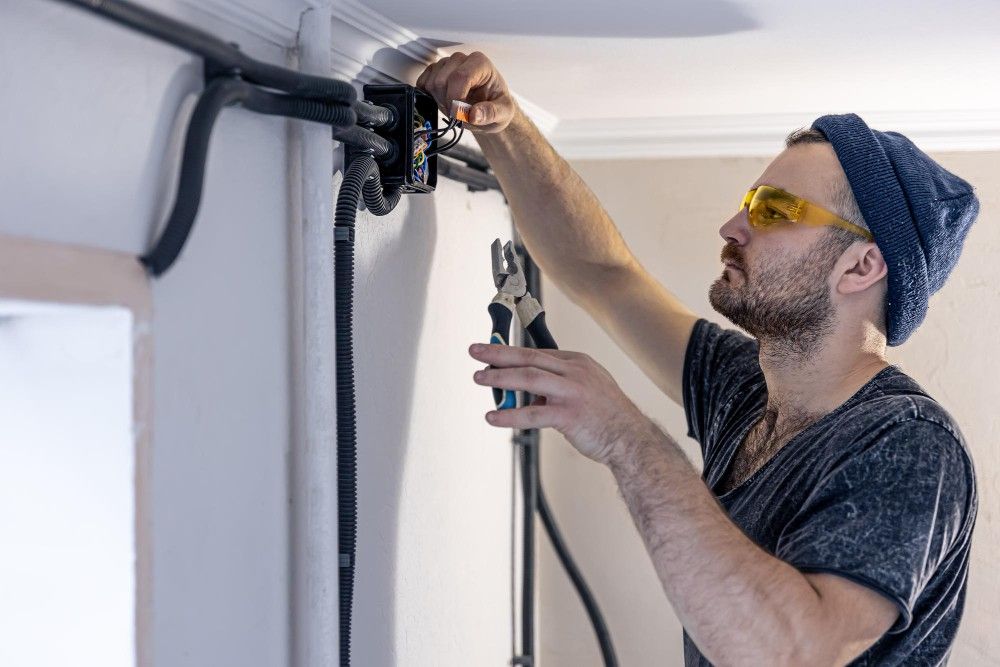
On the day of installation, a professional team arrives and gets to work. For most homes and small offices, the job is done in a single day. Larger properties with more cameras and complex cabling may take longer.
Good CCTV installers in Dubai work cleanly. They route cables through walls and ceilings neatly, mount cameras securely, and leave your space looking as it did before they arrived. Not every company does this task well, so it is worth asking to see examples of their previous work.
PIN and Smart Card Systems
For smaller offices that do not need high-level security across multiple zones, a basic PIN or smart card system does the job well. It is affordable, easy to set up, and works reliably for day-to-day use.
Configuration and Testing
Once cameras are mounted, the team sets up your DVR or NVR, configures your storage and retention settings, and tests every camera to confirm the footage is clear and the angles are correct.
This phase also sets up remote viewing on your phone or laptop, so you can access your cameras from anywhere.
Handover and Training
HBefore the team leaves, they should walk you through how to use your system. How to view live footage. How to play back recordings. How to add users. How to contact them if something goes wrong.
You should leave this conversation feeling confident, not confused.
What Good CCTV Installers in Dubai Do Differently
Not all installation companies work to the same standard. Here is what separates the good ones from the rest.
They plan before they install
The site survey is non-negotiable for professional teams. They never guess at camera placement.
They use quality equipment
Cheap cameras fail quickly, produce blurry footage, and perform poorly at night. Reliable installers recommend cameras that will actually do the job.
They think about your network
Many modern CCTV systems are IP-based, which means they connect to your office or home network. A good installer checks that your network can handle this cleanly without slowing down your internet or causing connectivity issues.
They offer ongoing support
The job does not end when the cameras go up. Firmware needs updating. Cameras occasionally need repositioning. Storage fills up and needs managing. Professional CCTV installers in Dubai offer maintenance contracts so you are covered long after installation day.
They are honest about what you need
A trustworthy team will tell you if you need five cameras, not ten. They will not oversell you on equipment you do not need just to increase the bill.
How to Install a CCTV System: DIY vs. Professional
You might be wondering whether you can handle this yourself. Let us be straight forward about it.
If you want to understand how to install a CCTV system at a basic level, here is what is involved: you mount the cameras, run the cables to a central recorder, connect everything to power, configure the recorder software, and set up remote access.
On paper, it sounds manageable.
In practice, this is where most people encounter problems. Cables get run incorrectly. Cameras end up in the wrong positions. The remote access does not work properly. The storage fills up faster than expected because nobody configured it correctly.
Professional installation costs more upfront, but it saves you time, frustration, and often money in the long run. A well-installed system also performs reliably for years, while a DIY setup often needs to be redone entirely within a short time.
For your home or business, "professional" is the right call.
What Else Should You Think About Before Installation
A few things people often overlook.
Storage Planning
How many days of footage do you want to keep? More cameras and higher resolution means more storage. Your installer should help you calculate this properly.
Lighting
Cameras perform very differently in bright sunlight versus a dark corner at night. Ask your installer how they handle low-light areas and whether infrared or additional lighting is needed.
Integration with Other Systems
If you have an access control system or alarm, you may want your CCTV to connect to it. This is possible but needs to be planned from the start, not added later.
Cybersecurity for Your Cameras
IP cameras connected to your network are a potential entry point for hackers if not properly secured. A professional installer configures access controls and passwords correctly.
If you are thinking more broadly about your business technology security, it is also worth reading up on how to choose the best IT service provider in Dubai to make sure your network and data are protected beyond just your cameras.
Conclusion: Know What to Expect and You Will Get It Right
CCTV installation in Dubai does not have to be stressful or confusing. When you work with professional CCTV installers in Dubai who follow a proper process, from site survey to handover, the whole experience is smooth, and the result lasts.
Go in prepared. Ask questions. Make sure the team explains everything clearly. And do not settle for a company that rushes the job or skips the planning steps.
Your cameras are only as good as the people who install them.
Frequently Asked Questions
How long does a typical CCTV installation take in Dubai?
For most homes and small offices, a professional team finishes the job in one day. That includes mounting the cameras, running the cables, setting up the recorder, and configuring remote access on your phone. Larger properties like warehouses, multi-floor offices, or villas with many entry points may take two days or more. Your installer should give you a clear timeline after the site survey, before any work begins.
Will installing CCTV cameras affect my internet speed?
It can, if the system is not set up properly. IP cameras use your network to send and store footage, which takes up bandwidth. A professional installer checks your current network capacity before recommending a system and adjusts the setup so your cameras run without slowing down your internet. If your network is too weak to handle it, they should tell you upfront and suggest a solution.
What should I do if my CCTV camera stops working after installation?
First, check the basics. Is the camera powered on? Is the cable connection secure? Can you see the camera in your recorder or app? If none of that helps, contact your installation company. A reputable team offers after-sales support and should respond quickly to fix the issue. If you have a maintenance contract in place, this kind of support is already covered, and you will not pay extra for the visit.


